Want a Full Preschool in 2026? These Marketing Strategies Actually Work
February 24, 2026
Nashville’s ‘Baby Boom’ is a Gold Mine for New Franchise Owners in 2026
March 2, 2026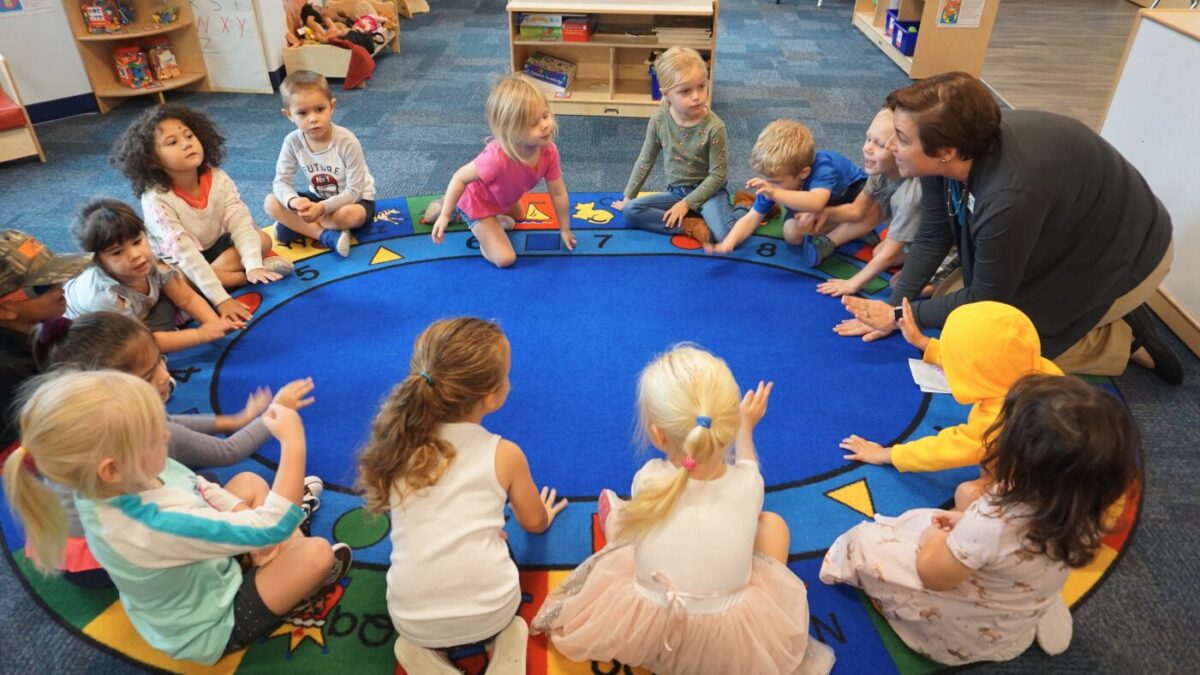
We talk a lot about the future – future jobs, future tech, future leaders. But if we’re serious about shaping any of that, we’ve got to back up and look at where it really starts. It starts with toddlers stacking blocks, asking questions, making messes, and figuring out their place in the world. It starts with early education. Early education gives children the tools to communicate, manage emotions, solve problems, and explore new ideas with confidence. These early experiences influence how kids show up at school, in their neighborhoods, and eventually, in the world as adults.

The Ripple Effect of Early Learning
Walk into a preschool and you’ll see crayons scattered across tables, towers of blocks, shelves of books, and a steady hum of excited voices. But what children experience there doesn’t stay within those walls. It carries into their homes and out into the wider community. What they learn shapes how they connect with their families, teachers, and classmates every day.
Children who attend strong early education programs are more likely to stay engaged in school, form meaningful friendships, and develop important life skills at an earlier age. Those benefits don’t stop with the child. Families feel the impact too. A supportive preschool makes daily life more manageable. It brings structure to the household, helps parents stay consistent with work schedules, and offers peace of mind knowing their child is in a safe, nurturing place.
When schools and families fall into that kind of steady rhythm, the effects spread. Neighborhoods become stronger and more connected. Teachers can focus more fully on supporting their students. Workplaces run more smoothly when parents can rely on consistent care. And children arrive at school ready to learn, participate, and grow.
Generation Alpha Needs More Support, Sooner
Screens are everywhere now. Most young kids know how to swipe, tap, and scroll before they can even tie their shoes. Many use tablets and TVs daily, and a lot are introduced to screen time before their first birthday. Research shows that only about one-third of children ages 2 to 5 stay within the one-hour-a-day screen time guideline recommended by pediatric experts.
Educators are seeing the impact firsthand. Some children arrive at preschool with fewer words, shorter attention spans, and limited experience with back-and-forth conversation. Passive screen time is replacing valuable moments of reading, play, and real interaction. That’s where early education can make a real difference. A strong preschool program gives children space to talk, move, listen, and explore. These everyday experiences help build vocabulary, spark curiosity, and support healthy brain development.
When children haven’t spent time listening to stories, asking questions, or engaging in conversation, they miss chances to grow their thinking and language skills. Early learning helps fill in those gaps. It creates a rich environment where children can build confidence, connect with others, and begin to see themselves as capable learners. The foundation built in these early years shapes how children approach school, how they solve problems, and how they express themselves, both now and in the future.
The Importance of Inquiry-Based Education in the Age of AI
Children are naturally curious. They want to understand how the world works, why things happen, and what might come next. As artificial intelligence becomes a bigger part of everyday life, those questions take on new importance. Early education is not (and has never been) simply about preparing children for school. Early education shapes the kind of society they’ll grow into and eventually lead.
In an age where AI can provide instant information, society needs people who can think critically, adapt to change, and make thoughtful decisions. Inquiry-based education builds those abilities early. It teaches children how to ask questions, explore ideas, and evaluate what they’re learning instead of simply accepting answers. These skills help create future citizens who can work alongside technology rather than rely on it blindly.
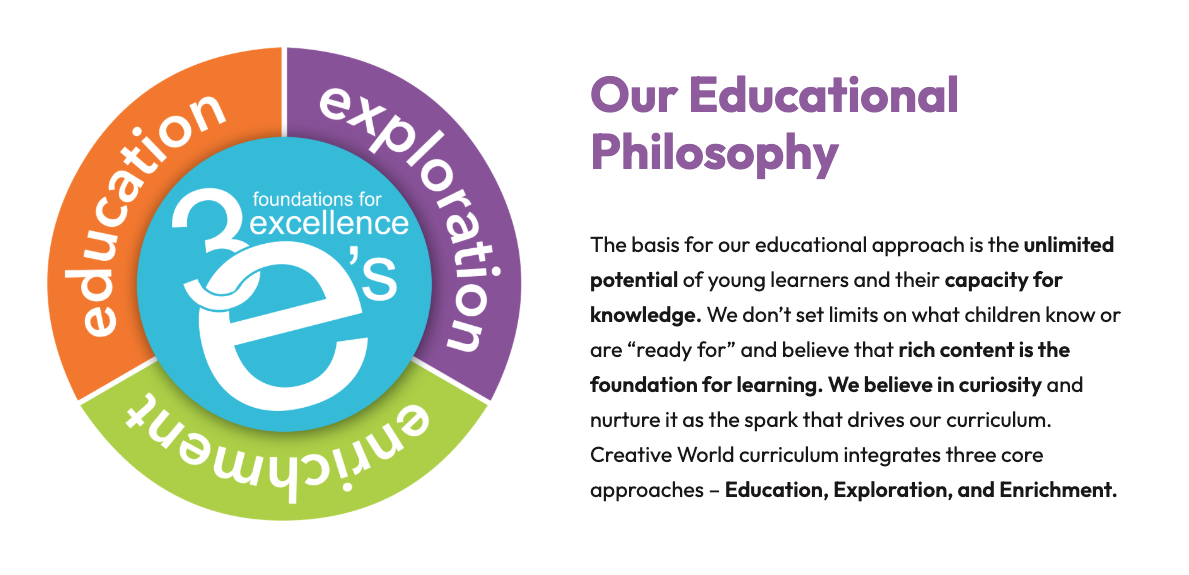
At Creative World School, inquiry-based learning allows children to follow their curiosity through hands-on experiences. When children experiment with materials, solve problems together, or test their ideas, they’re learning how to collaborate, communicate, and think flexibly. These moments build habits that support innovation, responsible decision-making, and social connection later in life.
Curiosity-driven learning helps children see themselves as active participants in their communities. They learn that their questions matter and that understanding grows through exploration and dialogue. In the age of AI, societies will depend on individuals who can think independently, work ethically, and continue learning as technology evolves. Inquiry-based education lays the groundwork for that future by shaping not just learners, but thoughtful, engaged members of society.
What Happens Early Lasts
The early years come and go quickly, but the experiences during that time tend to stick. Children remember the teacher who sat with them when they were nervous. Parents remember the first time their child walked into school smiling and confident. Communities remember the schools that brought people together and supported real growth.
Investing in early education means making space for those kinds of moments. It means building something steady that helps children, families, and neighborhoods grow together. And it means giving the next generation the tools they need to ask questions, explore their world, and take on whatever comes next. Communities benefit too. Schools with strong early learning programs often become anchors. They bring families together, build trust, and support neighborhood stability over time.

Build a Legacy That Grows Over Time
Over the years, we’ve seen what happens when early education is done well. Preschoolers grow into confident teens, then into capable adults who remember where their learning journey began. Creative World School has been part of that story for more than 50 years, building classrooms where children feel safe, curious, and ready to explore the world around them.
If you’re thinking about building something meaningful that lasts, we’d love to talk. Franchise ownership with Creative World is a way to invest in the future of children, of neighborhoods, and of your own goals. It all starts with early education. Connect with our franchise team today!