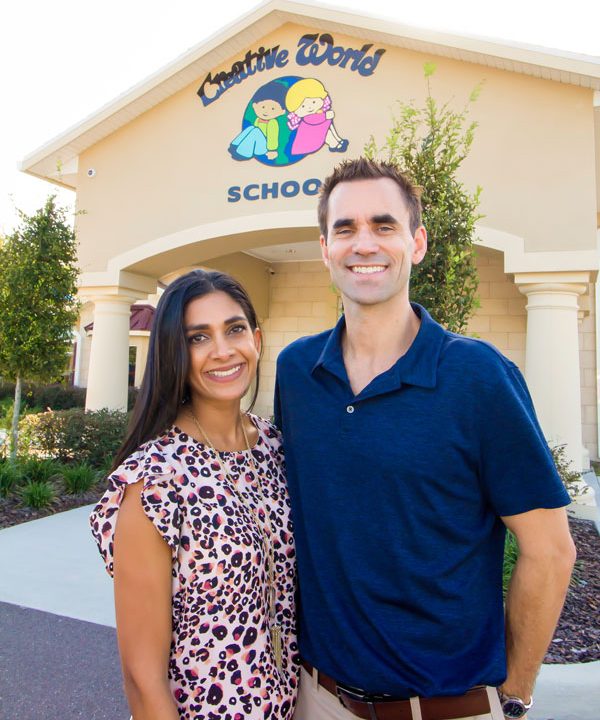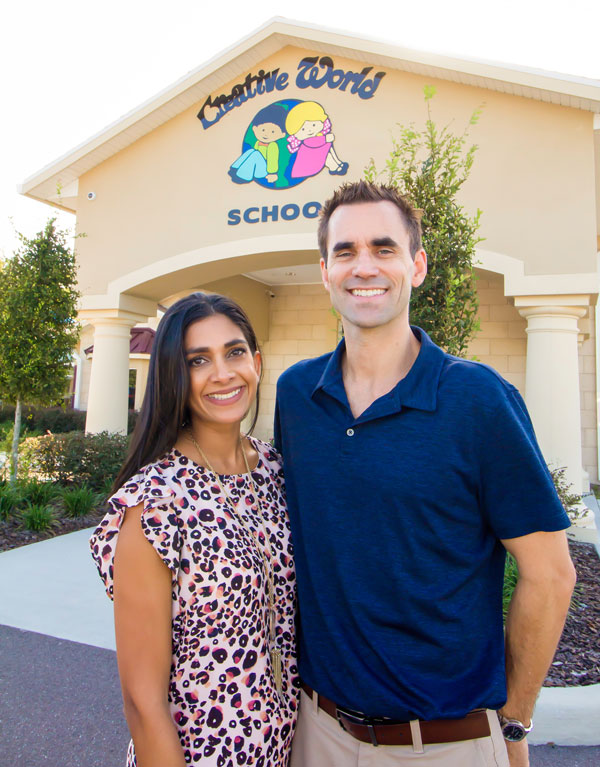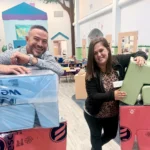
‘Trust the Process’: How the Rolons Went From One Creative World School to Three
October 12, 2026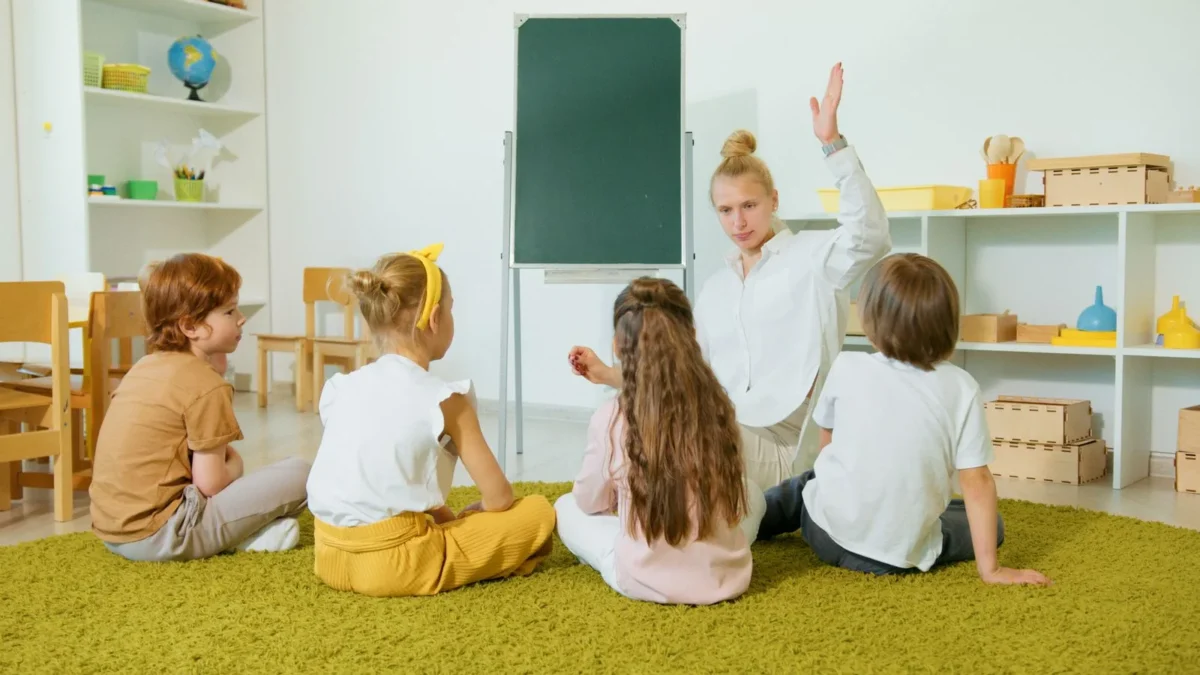
If you’re weighing a preschool investment, you may have wondered what happens if your state starts paying for pre-K. It’s a fair thing to ask. Forty-four states and the District of Columbia now fund a preschool program, and the dollars behind them keep climbing.
The data from the last full school year points somewhere more useful than a yes or a no. Public pre-K is pulling 4-year-olds into school-day classrooms, and it’s leaving the hours, the ages, and the quality tier where private operators do their best work wide open.
What the Universal Pre-K Numbers Show
States spent nearly $14.4 billion on preschool in the 2024-2025 school year, an all-time high, and enrolled close to 1.8 million children. Twelve states now enroll more than half of their 4-year-olds, and Georgia became the first universal program in the country to meet all ten of NIEER’s quality benchmarks.
The same report shows the ceiling. State-funded preschool reached 37% of 4-year-olds and 9% of 3-year-olds, and the 4-year-old share held flat at the prior year’s level. Enrollment grew by 44,000 children, a much smaller gain than the year before, and twenty states served fewer preschoolers than they had a year earlier. Counting state pre-K, preschool special education, and Head Start together, public programs reached 46% of 4-year-olds and 17% of 3-year-olds.
That leaves more than half the country’s 4-year-olds and better than eight in ten 3-year-olds outside public programs, with relatives, in home-based care, or in private centers.
State Pre-K Hours Rarely Cover a Full Working Day
Public pre-K runs on a school calendar. Florida’s Voluntary Prekindergarten program, one of the four largest in the country, runs 540 instructional hours across the school year with a minimum of three hours a day. Georgia’s program sets a 6.5-hour instructional day, and any before-school or after-school care is up to each provider.
For a household with two working parents, a three-hour or six-hour school-year program handles part of the day and leaves the rest open. Somebody still has to cover the early morning, the late afternoon, the school breaks, and the summer. That’s wraparound care, and it’s how a private school keeps the family relationship even when the state is paying for the classroom hours.
Where pre-K happens matters too. State-funded preschool already runs through childcare centers, private schools, and Head Start agencies in most states, alongside district buildings. Most Florida children attend VPK in nonpublic settings, and Georgia’s program is voluntary for private child development centers and public schools alike.
The Youngest Ages Stay Outside Public Pre-K
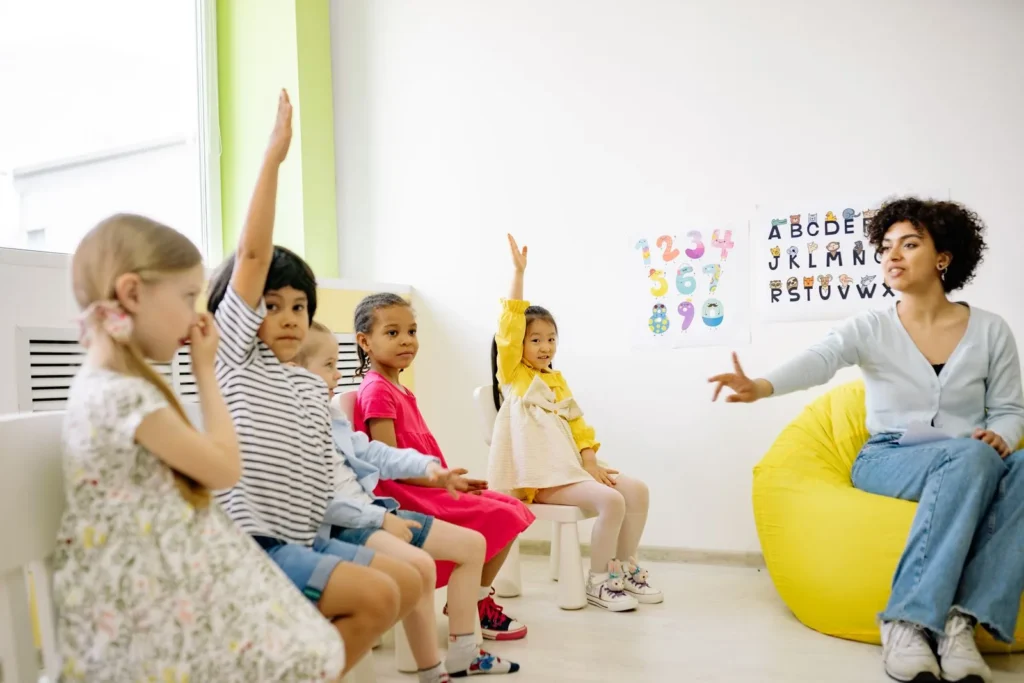
State pre-K is built for 3- and 4-year-olds, and only 9% of 3-year-olds sit in one. Care for infants, toddlers, and twos happens outside state pre-K altogether, and it’s the part of the business that takes the most planning up front.
California is the cautionary case. The state finished rolling out transitional kindergarten for every 4-year-old in 2025-2026, and a UC Berkeley study found that 167 Los Angeles County pre-K centers closed or let their licenses lapse between 2020 and 2024, erasing about 12,000 childcare slots. Centers built around 4-year-olds lost the revenue that had been carrying their younger classrooms, and a California childcare advocacy group puts licensing approval alone at six to twelve months to convert one preschool room for 2-year-olds.
That history rewards anyone who plans the full age span from day one. A building designed for babies through school-age already has the classroom mix and the licensing in place, so when a policy change pulls 4-year-olds elsewhere, the infant, toddler, and twos rooms are already open and running. In most markets the childcare shortage still leaves room for a well-placed school.
Quality Ratings Are Becoming the Dividing Line
Public dollars are showing up with scorecards attached. Only 21% of children in state-funded preschool sit in a program meeting nine or ten of NIEER’s quality benchmarks, and the twenty programs meeting five or fewer serve 46% of enrolled children. Florida spends $2,946 per child and meets five of the ten.
States are starting to publish those ratings, too. Florida now assigns every VPK provider a performance designation and requires a classroom observation score of 4.00 or higher before a provider can contract for the next year. A school carrying an independent accreditation walks into that comparison with an answer in hand, which is why accreditation carries so much weight for owners right now.
Building a School That Fits This Market
The market these numbers describe favors a school that covers the full age range, covers the hours a working family needs, and carries a quality credential the state doesn’t hand out.
That’s how we build at Creative World School. Our schools run classrooms for infants, toddlers, twos, threes, and fours plus a school-age Kid’s Club, so the ages public pre-K doesn’t reach are already in the plan. We’re accredited by Cognia, which fewer than 10% of early education schools hold. Every building centers on our Exploratorium™, home to our iSTEAM curriculum, which stands for inquiry plus science, technology, engineering, art, and math. In practice that means kids start with their own questions and work out the answers by rolling cars down ramps, weighing things on a scale, and building block towers that balance. We run Monday through Friday with no evenings, weekends, or holidays, and in 56 years we’ve never closed a school because it failed.
Pre-K policy moves state by state, so the market read has to be local. Our team runs the demographic work on every site we consider, and every owner gets a protected five-mile territory and a business coach for as long as they own the school. To talk through what your state’s pre-K picture means for a school in your market, reach out to our franchise team!