Two Working Parents, One Big Demand Driver
November 2, 2026
Thinking about buying a business and wondering which kind fits the rest of your life? For a lot of women, the answer has been a franchise. Roughly one in three franchise businesses in the United States is owned by a woman, a share that’s grown by more than half since 2007, while women own about one in five employer businesses across the whole economy.
Women franchisees have also been clear about what they rate a brand on, and their list makes a handy checklist for anyone comparing franchises. A director-led preschool model answers most of it, and no childcare-specific experience is required to run one.
What the Data Says About Women Franchise Owners
In its 2026 Women in Franchising report, built on feedback from more than 8,500 women franchisees across 320 brands, Franchise Business Review (FBR) finds that women now own about a third of all franchises, a number it says is still growing. The biggest climb came earlier. A study commissioned by the education foundation of the International Franchise Association (IFA) found that female ownership of franchise businesses rose from 20.5 percent in 2007 to 30.6 percent in 2012, a jump of nearly 50 percent in five years.
Business ownership as a whole looks different. The Census Bureau’s Annual Business Survey counts about 1.3 million women-owned employer firms, or 22.3 percent of the total. So women make up a bigger share of franchise owners than of business owners overall, and the IFA’s 2026 report points the same way, noting that women, veterans, and people of color are represented as franchisees at a disproportionately higher rate.
They also report liking the work. In FBR’s 2026 survey for its Top 100 Franchises for Women, 88 percent of women franchisees say they enjoy operating their business, and three in four would recommend their franchise, while 36 percent own more than one location.
What Women Franchisees Say They Want From a Brand
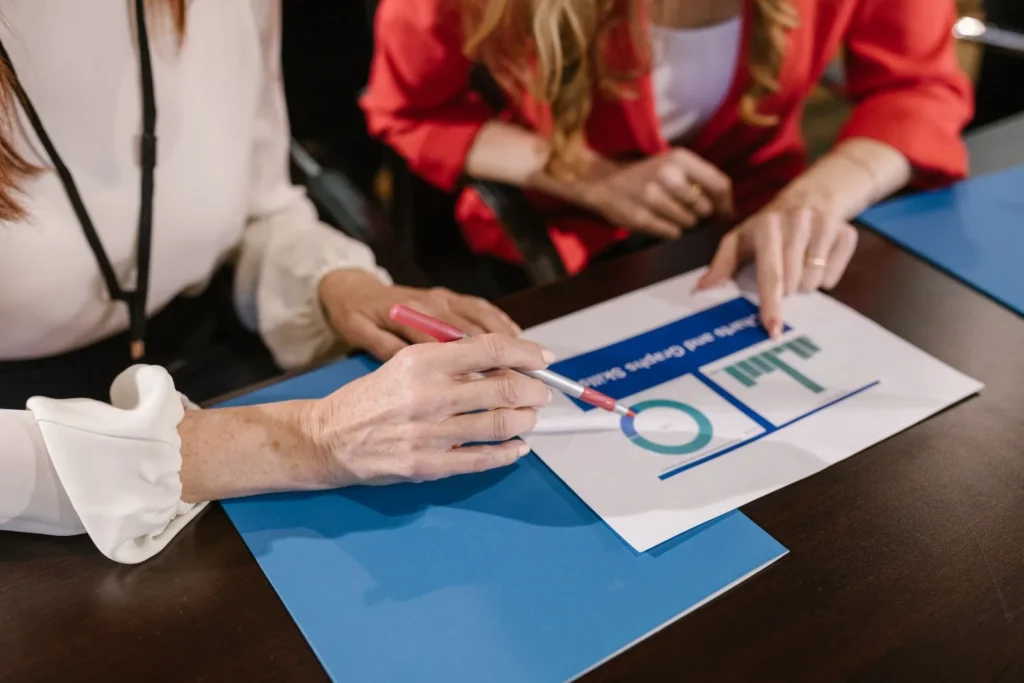
FBR’s Top 100 Franchises for Women list ranks brands on five areas their women owners rate. Those five are training and support, leadership and core values, financial opportunity, work-life balance, and franchisee culture and community. FBR sums up franchising’s draw for women as financial independence, career fulfillment, and work-life balance.
Four of the five are about the system around the business, and only one is about the money. So when you’re comparing brands, how the business runs day to day deserves as much of your attention as the numbers do.
A Director-Led Preschool Model Changes What Ownership Looks Like
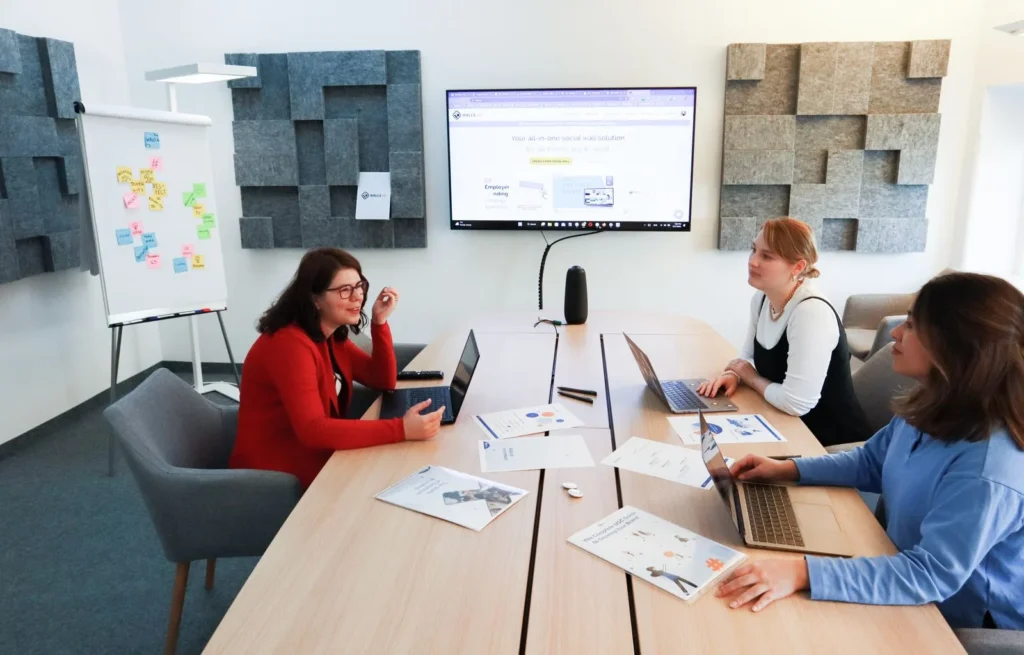
In our system, a director and an assistant director run the school day to day, and the owner manages at a higher level. Owners stay operationally involved, because our model isn’t set up for absentee ownership, and their focus is the business itself. No teaching or childcare background is required, and most of our candidates come from professional or entrepreneurial backgrounds. Our post on how the director runs the classroom while you run the business walks through the split in detail.
The schedule follows from the model. Our schools run Monday through Friday with no evenings, weekends, or holidays, which is a long way from the seven-day week a restaurant keeps. Owners are home for dinner, and our post on the franchise model that lets you keep your weekends covers what that looks like in practice. That takes care of the work-life balance item on FBR’s list.
Training, support, and culture cover more of it. Owners and up to two key leadership staff start with about two weeks of leadership training at our headquarters in Bonita Springs, Florida, and every owner is assigned a dedicated business coach for as long as they own the school. Six internal departments cover curriculum, site selection, finance, quality, marketing, and the owner network. We describe our system as small, but mighty, and owners are treated like family. Our franchisee conferences are built around owners helping each other.

The Money Side of a Preschool Franchise
Financial opportunity is the one item on FBR’s list about the numbers, so here are ours. Our royalty is a sliding scale, 5 percent in year one, 6 percent in year two, and a fixed 7 percent from year three on, and in year one no royalty is paid until the school reaches 75 registered, paying students. Most franchises in early childhood education start at about 8 percent from day one. That gap is breathing room while enrollment builds.
Everything else sits in the Franchise Disclosure Document, including every cost to build and open in Item 7 and gross sales data for every school in the system in Item 19. We recommend the SBA 504 loan program, which can finance up to 85 percent of costs for a first school, and in 56 years we’ve never had a school close for failure or default on an SBA loan. The short video below covers the financial side in more detail.
Start the Conversation With Our Franchise Team
Women make up a bigger share of franchise owners than of business owners overall, and the things they rate a brand on line up closely with how a Creative World School runs. Our director-led model, the Monday-through-Friday schedule, and a coach in your corner handle the system side, while our 3 E’s, Education, Exploration, and Enrichment, and the hands-on Exploratorium™ at the center of every building handle the part families notice on a tour. Franchise Business Review named us a Top 200 Franchise for 2026 based on survey feedback from our owners. Request franchise information and we’ll start with your questions, including the ones about how much of your week this takes!