
Northampton County Is a Wide-Open Childcare Market for a Preschool Franchise Owner in 2026
October 26, 2026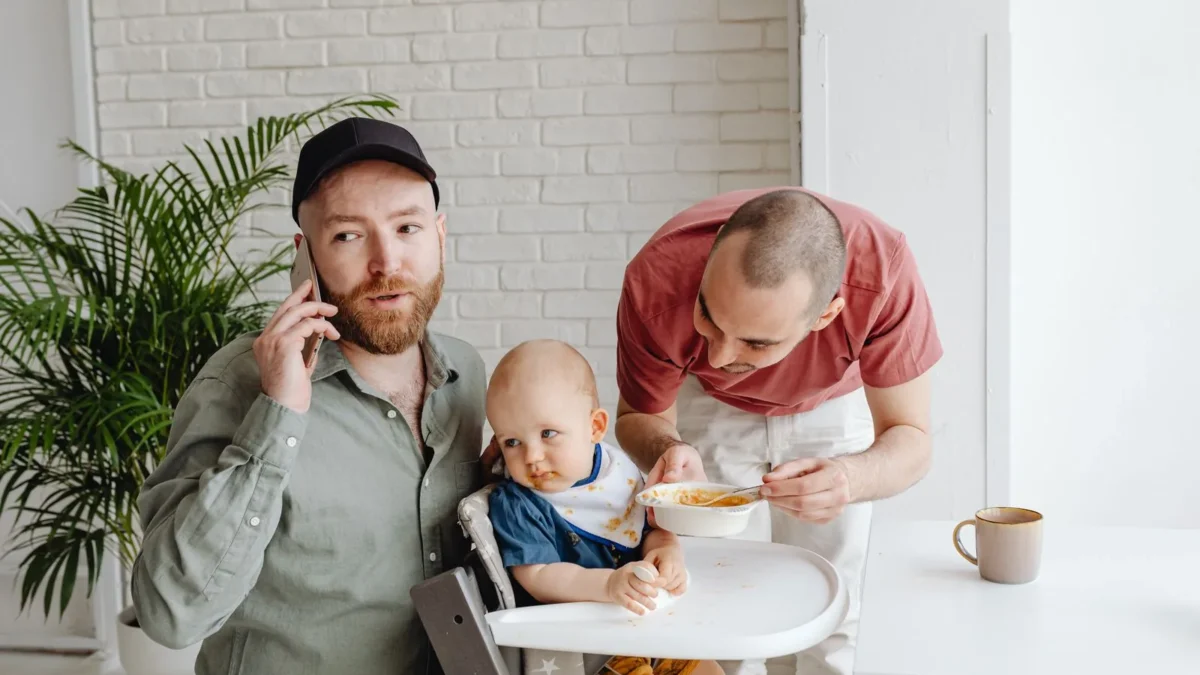
Before you put serious money into any business, you want a clear answer about its customers. Will they still need you in five years? How about in ten?
For a preschool, the answer shows up every weekday morning in homes with young kids, where two work schedules and one small child have to line up before anyone gets out the door. Federal labor data shows how common that routine has become, and the cost math families run around it explains why a preschool makes sense for so many of them. Both pieces matter if you’re thinking about owning a school, because together they describe a customer whose need is built into the way the household earns a living.
Working Parents Are the Norm for Families With Young Kids
In 2025, 68% of mothers with children under 6 were in the labor force, according to the Bureau of Labor Statistics. Among married couples raising kids, both parents had jobs in about two out of three families, and across all families with children, more than 90% had at least one working parent. Kids under 6 are exactly who a preschool serves, which is why that first figure is the one to watch.
The overall numbers barely moved from the year before, and that steadiness is worth more to an owner than any single spike. A number that holds year after year tells you this is simply how families with young kids live now.
Single parents are part of this picture too, and they’re often the only paycheck in the house. Most of these households need the same thing on a Monday morning, which is a safe, trusted place for a young child while the grownups head to work.

How Nanny Costs Compare to Childcare Center Costs
Once both parents are working, most families with a young child weigh the same short list of options. A nanny, a relative, a family childcare home, or a center can all work, and price narrows that list quickly. Help from a relative depends on someone living nearby with free weekdays.
A full-time nanny averaged $870 a week in the Care.com 2026 Cost of Care Report, which comes to more than $45,000 a year. Daycare averaged $332 a week in the same report. That’s a difference of roughly $28,000 a year for one child.
Even at the lower price, parents feel it. The average parent in that survey said childcare takes about 20% of household income, and nearly a third said they’re dipping into savings to cover it. For a lot of families, that gap settles the question early. A center gives them trained teachers, a set weekly schedule, and a staff that covers when one teacher is out sick, at a price a two-income budget can more easily carry.

Childcare Is a Core Expense for Working Families
Child Care Aware of America found that the national average price of childcare reached $13,128 in 2024. That price would take about 10% of a married couple’s median income and about 35% of a single parent’s.
Families pay it because the paycheck depends on it. When care falls through, a parent misses work, so a dependable spot at a school they trust is something families plan around and protect. That’s what makes this demand structural. It’s tied to how households earn a living, and it shows up on the family calendar every single week.
For a school owner, that means the families you serve build their routines around you, often for several years as a child moves up from the toddler room to pre-K. If you’d like the population side of this story, our look at what 72 million millennials mean for preschool demand covers who these parents are and where they’re living.
What Working-Parent Demand Means for a Preschool Owner
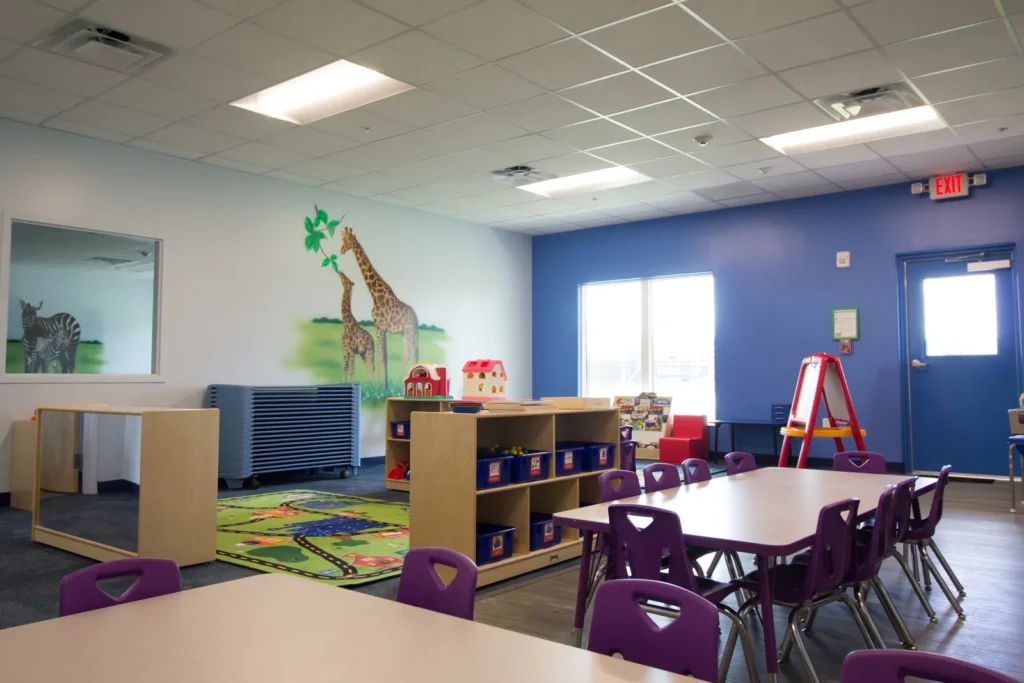
A business built around working families should run on their calendar. Our schools are open Monday through Friday and closed evenings, weekends, and holidays, so the school week lines up with the work week of the parents who count on it, and owners keep their own evenings and weekends too.
Demand also has to be close to home, since parents want care near where they live or work. We look for markets with at least 5,000 children within a four-mile radius, and identifying a prime location for your preschool is research our team does right alongside you.
Inside the building, a director and assistant director run the day to day while owners manage at a higher level, which is how our director-led model works. Our royalty doesn’t start until a school reaches 75 registered, paying students, and then it moves from 5% to 6% to a fixed 7%, which gives a new school room to build enrollment. In the short video below, one of our owners shares what made choosing us feel right!
Bring iSTEAM to the Working Families in Your Area
Working families want a great school, and that’s what Creative World School is built to be. Our curriculum leads with iSTEAM, short for inquiry plus science, technology, engineering, art, and math, so kids ask their own questions first and then go find the answers. For a three-year-old, that looks like ramps and simple machines, block towers that test balance, music and drama, and pattern games that go way past counting, with plenty of it happening in the Exploratorium™ at the center of every building.
We’ve spent 56 years growing that experience, and we were named a 2026 Top Franchise based entirely on feedback from our own franchisees. If two-income families near you need a school like this, talk with our franchise team about what working-parent demand looks like in your market!